
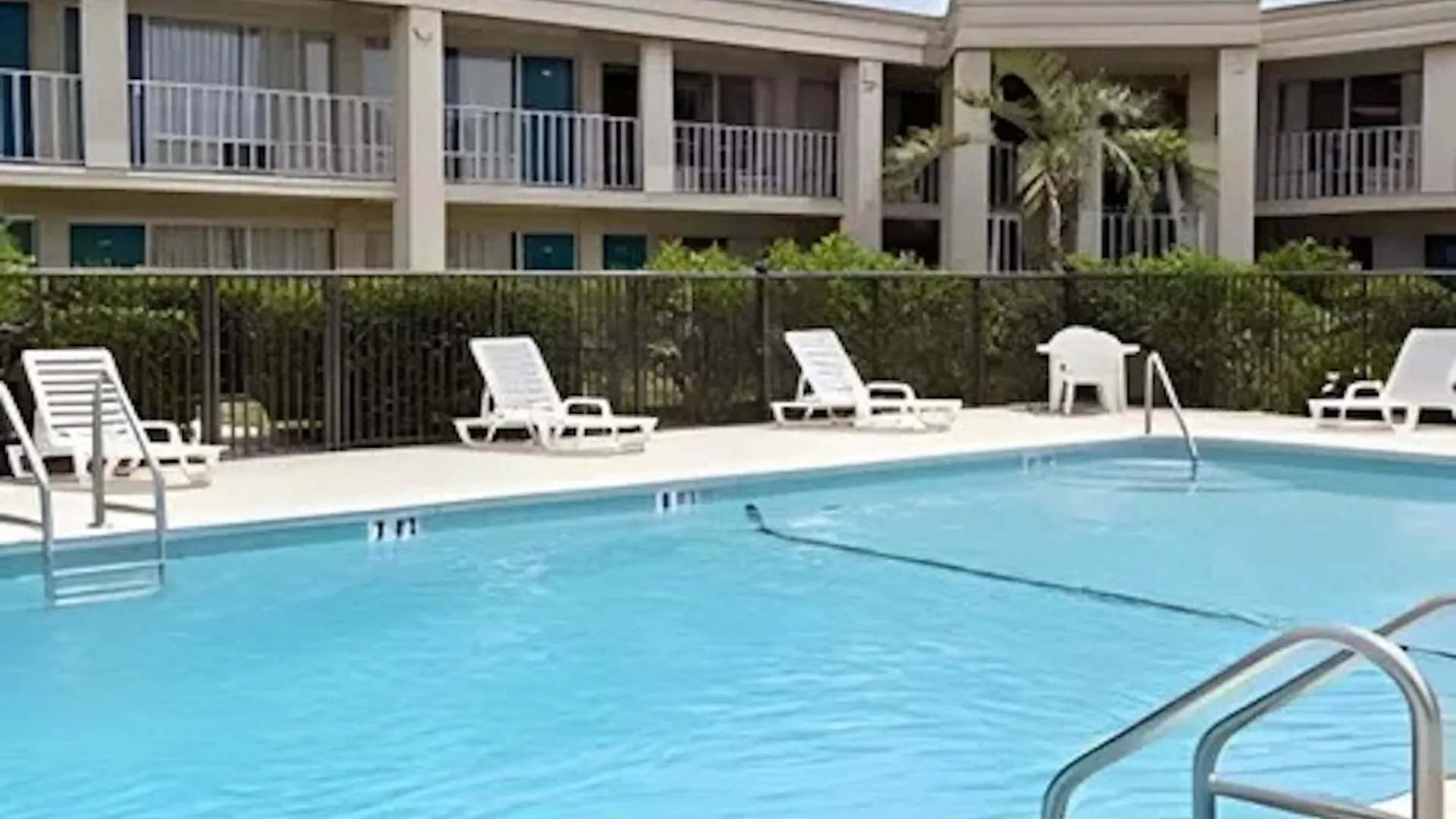
Studio 6 is a budget-extended-stay brand operating across the United States, built around guests who need more than a standard room without paying for amenities they won't use. With kitchenettes, free parking, and pet-friendly policies at most locations, these properties target road trippers, relocating workers, and travelers spending multiple nights in mid-size American cities. This guide covers seven Studio 6 locations - from Florida and Georgia to Wyoming and California - with enough detail to pick the right one for your route.
What It's Like Staying in the United States
The United States spans six time zones and an extraordinary range of landscapes - Gulf Coast wetlands, Rocky Mountain corridors, Southeastern suburbs, and high-desert plateaus - which means your choice of where to stay directly shapes what kind of trip you have. Budget hotel stays here are heavily car-dependent, and free parking is a genuine differentiator that can save travelers real money in cities where garages charge $20-$35 per night. Crowds follow school calendars and national holidays, with summer and holiday weekends pushing occupancy sharply upward in leisure destinations.
Pros:
- Extensive highway network (Interstate system) makes road-tripping between states genuinely practical
- Pet-friendly hotel policies are far more common than in Europe, making travel with animals logistically viable
- A wide spread of price points means budget travelers can stay near major attractions without sacrificing basic comfort
Cons:
- Most budget properties are suburban or highway-adjacent, requiring a car to access restaurants and attractions
- Summer peak season - particularly July and August - compresses availability and inflates rates at leisure destinations
- Urban amenities and walkability vary drastically between regions; what works in Atlanta suburbs differs completely from downtown Stockton
Why Choose Studio 6 Hotels in the United States
Studio 6 positions itself between a standard budget motel and a short-term apartment, offering in-room kitchenettes - typically including a fridge, microwave, and coffee maker - that allow guests to cut food costs significantly on longer stays. Most locations sit directly off Interstate exits, which is a deliberate design choice: Studio 6 properties target guests on multi-day drives or temporary work assignments who need reliable highway access above all else. Compared to mainstream budget brands at similar price points, Studio 6 rooms tend to offer more functional cooking infrastructure at the cost of limited on-site dining and minimal lobby amenities.
Pros:
- In-room kitchenettes reduce meal costs substantially on stays of around 4 nights or more
- Free private parking is standard across virtually all locations, a concrete saving in regions where paid parking is the norm
- Pet-friendly policies at multiple locations remove a major logistical barrier for travelers with animals
Cons:
- On-site dining options are minimal or absent at most locations - guests must drive to find restaurants
- Properties are highway-focused, meaning walkable urban access is rarely available
- Housekeeping is typically weekly rather than daily, which suits extended stays but may frustrate short-trip guests
Practical Booking & Area Strategy for Studio 6 Locations
Each Studio 6 in this guide serves a distinct travel corridor: the Florida location gives access to Ocala National Forest and Silver Springs; the Wyoming property is a southern staging point for Yellowstone, sitting just off I-80 near Flaming Gorge Recreation Area. San Antonio-area travelers benefit most from the New Braunfels location, which places guests within 4 km of Schlitterbahn Waterpark and a manageable drive from the River Walk. In Georgia, the Duluth property near Gas South District covers travelers arriving via Hartsfield-Jackson Atlanta International Airport - around 20 miles away - who need suburban accommodation without downtown Atlanta pricing. Book at least 3 weeks ahead for summer stays near leisure destinations like New Braunfels and Ocala, where July occupancy climbs sharply. The Little Rock and Port Allen locations serve primarily highway travelers and regional business visitors, with less seasonal pressure and more last-minute availability.
Studio 6 Hotels by Region: South & Southeast
These four locations cover Florida, Georgia, Louisiana, and Arkansas - states that combine humid climates with strong road-trip and regional-business demand. Each sits within a short drive of a key Interstate exit, making them practical overnight or extended-stay choices across the South.
-
1. Studio 6 Ocala, Fl
Show on map


 Check-infrom 15:00 until 23:59Check-outuntil 11:00
Just a few rooms left at the best rate!
fromUS$ 102
-
2. Studio 6 Duluth Ga Near Gas South District
Show on map


 Check-infrom 15:00 until 23:59Check-outuntil 11:00
Just a few rooms left at the best rate!
fromUS$ 42
-
3. Studio 6-Port Allen, La - Baton Rouge I-10
Show on map


 Check-infrom 15:00 until 23:59Check-outuntil 11:00
Just a few rooms left at the best rate!
fromUS$ 64
-
4. Studio 6 Little Rock Ar South
Show on map


 Check-infrom 15:00 until 23:59Check-outuntil 11:00
Hurry – almost gone at this price!
fromUS$ 61
Studio 6 Hotels by Region: West, Central & Southwest
These three locations span Texas, Wyoming, and California - covering the I-10/I-80 Western highway network and the Texas Hill Country. Each serves a distinct traveler profile, from waterpark visitors in New Braunfels to Yellowstone-bound road-trippers in Rock Springs.
-
5. Studio 6 New Braunfels, Tx
Show on map


 Check-infrom 15:00 until 23:59Check-outuntil 11:00
Hurry – almost gone at this price!
fromUS$ 56
-
6. Studio 6 Rock Springs Wy Flaming Gorge
Show on map


 Check-infrom 15:00 until 23:59Check-outuntil 11:00
Rooms filling fast – secure the best rate!
fromUS$ 54
-
7. Studio 6 Suites Stockton, Ca Waterfront
Show on map


 Check-infrom 15:00 until 23:59Check-outuntil 11:00
Rooms filling fast – secure the best rate!
fromUS$ 59
Smart Travel & Timing Advice for Studio 6 Stays
The sharpest price increases at Studio 6 properties near leisure destinations - Ocala, New Braunfels, Rock Springs - happen between late June and mid-August, when families dominate the road-trip market and occupancy pushes toward capacity. Booking at least 3 weeks in advance during this window is the clearest way to lock in lower rates; last-minute availability drops fast at properties near national parks and waterparks. For the highway-corridor locations in Little Rock, Port Allen, and Stockton, last-minute rates are more stable because demand is driven by business and transit travelers rather than seasonal leisure spikes. Extended stays of around 7 nights or more often qualify for weekly rates that reduce the per-night cost meaningfully - worth asking about directly at the time of booking. Spring (March-May) and fall (September-October) offer the best balance of mild weather, lower rates, and reduced crowds at all seven locations, particularly in Texas and Florida where summer heat is a genuine factor in daily comfort.


