
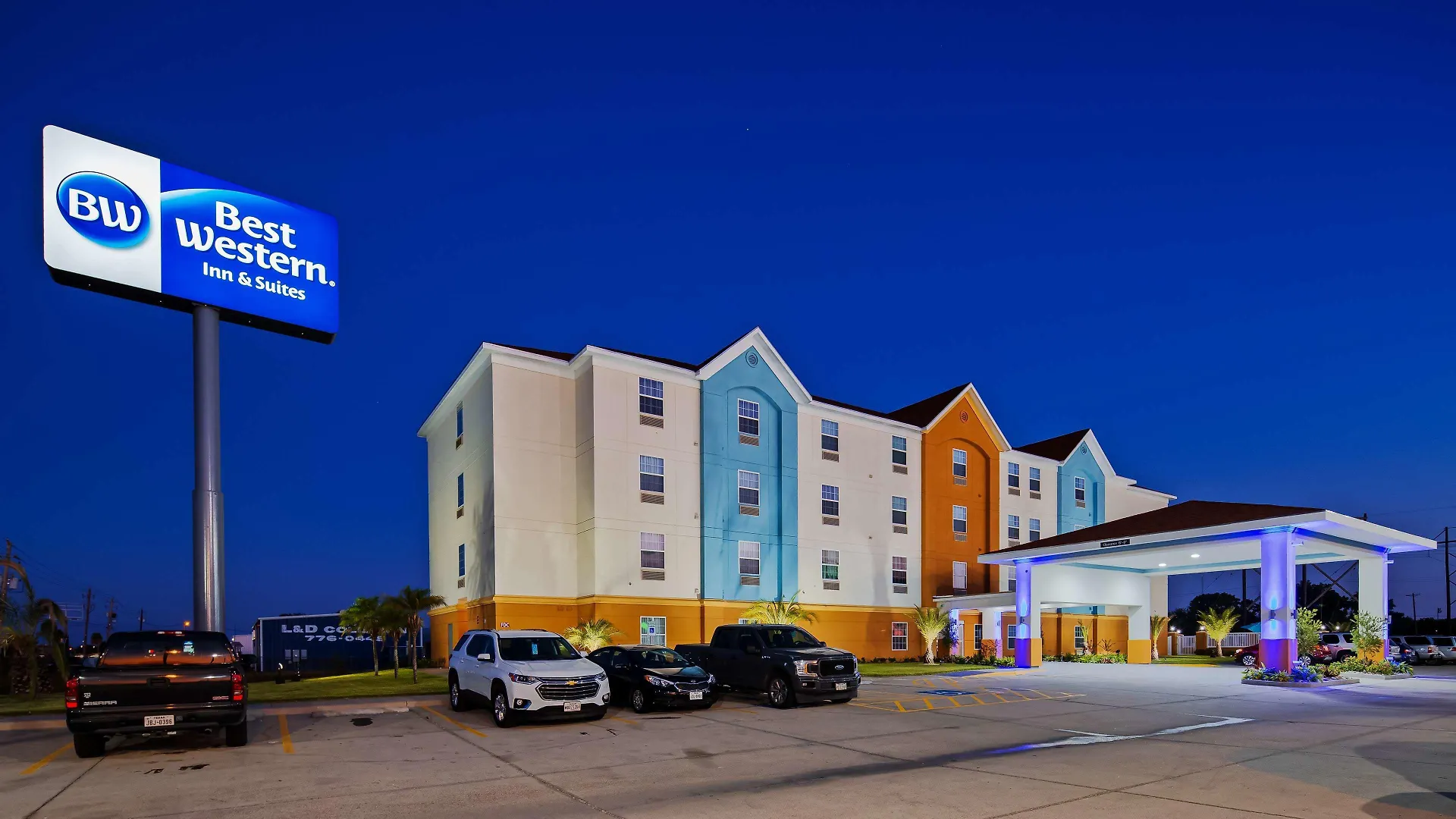
The Texas Gulf Coast stretches across a vast coastal corridor, and Best Western properties are strategically scattered across its key towns - from Ingleside near Corpus Christi Bay to Harlingen in the Rio Grande Valley. These hotels offer a consistent brand standard with region-specific positioning, making them a reliable anchor for road trips, business stops, and coastal access without the price premium of beachfront resorts.
What It's Like Staying in Texas Gulf Coast
The Texas Gulf Coast is a working coastline - fishing towns, petrochemical corridors, wildlife refuges, and barrier island beaches coexist across a stretch that runs from Beaumont in the north to Brownsville at the southern tip. Getting around requires a car; public transit is essentially nonexistent between towns, and distances between attractions regularly exceed 60 kilometers. Visitors staying here are typically road-trippers, anglers, birders, or business travelers supporting the energy and port industries - not urban tourists looking for walkable nightlife.
Crowds are seasonal but predictable: spring break in March brings surges to South Padre Island and Corpus Christi, while summer sees family beach traffic peak through August. Outside those windows, the region runs quiet and affordable, making it genuinely useful for travelers who plan ahead.
Pros:
- Access to some of the least-crowded barrier island beaches in the continental US
- Lower accommodation costs compared to Florida or California Gulf equivalents
- Strong birding and wildlife corridors, especially in the Lower Rio Grande Valley near Harlingen
Cons:
- No meaningful public transportation between towns - a rental car is non-negotiable
- Summer heat and humidity regularly exceed 38°C, limiting outdoor comfort
- Limited fine dining and entertainment infrastructure outside Corpus Christi
Why Choose Best Western Hotels in Texas Gulf Coast
Best Western properties across the Texas Gulf Coast fill a specific and practical niche: they offer standardized amenities - outdoor pools, free parking, fitness centers, and business centers - at price points that typically sit well below comparable coastal resort hotels. In a region where driving between towns is the default mode of travel, having free parking and reliable WiFi matters more than a rooftop bar. These hotels cater directly to road travelers, energy sector workers, and families who need dependable infrastructure without paying for beach-adjacent premiums.
Room sizes tend to be more generous than boutique or urban counterparts, with most locations offering suites or rooms fitted with fridges, microwaves, and desks - useful for extended stays. The trade-off is atmosphere: these are functional properties, not design-forward experiences, and most sit along highway corridors rather than in scenic or walkable settings.
Pros:
- Consistent amenity set across all locations - pool, parking, WiFi, and fitness center are standard
- Suite-style rooms with kitchenette equipment support multi-night and work-travel stays
- Breakfast included or available at most locations, reducing daily meal costs on the road
Cons:
- Highway-adjacent locations mean most properties lack scenic or walkable surroundings
- No beachfront positioning - closest coastal access requires driving even from waterside towns
- Limited evening dining on-site; guests rely on nearby chain restaurants or fast food
Practical Booking & Area Strategy for Texas Gulf Coast
Positioning matters enormously on the Texas Gulf Coast given the distances involved. Corpus Christi and its surrounding towns - including Ingleside - serve as the best central base for accessing the Gulf, with Padre Island National Seashore, the Texas State Aquarium, and American Bank Center all within a reasonable drive. Ingleside sits directly across Corpus Christi Bay, making it a quieter and often cheaper alternative to staying in the city proper, particularly for travelers arriving by car from San Antonio or Austin via US-181.
For travelers heading to the Lower Rio Grande Valley, Harlingen is the strategic hub - it hosts the Valley International Airport and sits within around 40 minutes of South Padre Island, the region's primary beach destination. El Campo and Dayton function as highway stopover towns rather than destination bases, best used for single-night breaks on longer road trips through the coastal interior. Book at least 6 weeks ahead for spring break in March, when rates across the entire coast spike and availability shrinks fast. Port Lavaca offers an underrated coastal positioning just 1 kilometer from Lighthouse Beach, with significantly lower nightly rates than Corpus Christi or South Padre Island properties.
Best Value Stays
These Best Western properties deliver strong utility at accessible price points - practical bases for road travelers, coastal day-trippers, and business visitors who prioritize function and location over resort-style amenities.
-
1. Best Western Ingleside Inn & Suites
Show on map


 Check-infrom 15:00 until 23:59Check-outuntil 11:00
Just a few rooms left at the best rate!
fromUS$ 87
-
2. Best Western Executive Inn El Campo
Show on map


 Check-infrom 14:00 until 23:59Check-outuntil 12:00
Just a few rooms left at the best rate!
fromUS$ 96
-
3. Best Western Dayton Inn & Suites
Show on map


 Check-infrom 15:00 until 23:59Check-outuntil 11:00
Hurry – almost gone at this price!
fromUS$ 109
Best Premium Options
These Best Western properties offer enhanced positioning - whether through coastal proximity, suite-format rooms, or destination-specific advantages - making them the stronger choice for travelers who want more than a stopover experience.
-
4. Best Western Port Lavaca Inn
Show on map


 Check-infrom 15:00 until 23:59Check-outuntil 11:00
Hurry – almost gone at this price!
fromUS$ 102
-
5. Best Western Casa Villa Suites
Show on map


 Check-infrom 14:00 until 23:59Check-outuntil 12:00
Rooms filling fast – secure the best rate!
fromUS$ 67
Smart Travel & Timing Advice for Texas Gulf Coast
The Texas Gulf Coast runs on a clear seasonal rhythm that directly affects hotel pricing and availability. March is the highest-risk booking window - spring break concentrates demand across Corpus Christi, South Padre Island, and surrounding towns, pushing rates up sharply and reducing availability at mid-range properties like Best Western locations. Book at least 6 weeks in advance if your travel falls in late February through early April. Summer - June through August - brings family beach traffic but also the most extreme heat and occasional tropical weather disruptions; budget for more indoor time than you'd expect.
The optimal window for most travelers is October through November: temperatures drop to a manageable range, migratory bird activity peaks in the Lower Rio Grande Valley near Harlingen (making it one of the top birding windows in North America), and hotel pricing falls back to off-season levels. A stay of around 3 nights per base town is the practical minimum to explore a sub-region without spending most of your time driving. Last-minute booking works in winter - January and February see the lowest demand and the most competitive nightly rates across all Best Western locations on the Gulf Coast - but summer and spring trips require advance planning without exception.


