
Alaska's coastline stretches across around 47,000 miles - more than any other U.S. state - offering a beach experience unlike anywhere else in the country. From the beachfront bluffs of Homer to the salmon-rich shores of Kenai and the rainforest-edged waterways near Juneau, staying at a beach hotel in Alaska means waking up to glacier views, Cook Inlet tides, and wildlife sightings that most coastal destinations can't match. This guide covers 4 hand-picked beach and coastal hotels across Alaska's most visited shoreside towns, with honest booking insights to help you choose the right base.
What It's Like Staying on Alaska's Coast
Staying along Alaska's coastline is a fundamentally different experience from beach stays in the Lower 48. Towns like Homer, Kenai, and Juneau are small and widely spaced, meaning car travel is essential - there's no hopping between beach resorts by subway or rideshare. Crowds are a non-issue by most standards, but seasonal rhythms are sharp: summer brings around-the-clock daylight and a surge of fishing enthusiasts, cruise passengers, and wildlife seekers, while shoulder seasons offer quieter conditions at noticeably lower rates.
Pros:
- Unmatched coastal scenery - glacier-backed beaches, Beluga whale sightings, and Cook Inlet sunsets are genuinely accessible from shoreside hotels
- Near-zero beach crowding even in peak summer, with wide open tidal flats and uncrowded anchorages
- Beach towns like Homer and Kenai offer strong local infrastructure (restaurants, fishing charters, wildlife tours) without tourist-trap pricing
Cons:
- Weather is unpredictable even in July - pack layers regardless of season
- Distances between coastal towns require planning; spontaneous day-tripping between Homer and Kenai is around 80 miles each way
- Limited luxury beach options - Alaska's coastal hotels skew toward functional and mid-range rather than resort-style
Why Choose a Beach Hotel in Alaska
Beach hotels in Alaska occupy a niche that combines outdoor access with practical lodging - they're not designed around poolside lounging but around proximity to tidal flats, salmon runs, whale-watching points, and glacier views. In Kenai and Homer, staying near the water means you're positioned for early-morning fishing departures, dip-netting on the beach, and direct access to trails that run along the bluffs. Rates at Alaska beach hotels typically run lower than in Anchorage, and many properties include free parking and on-site amenities that urban hotels charge extra for.
The key trade-off is that these aren't resort-style properties with private infinity pools and beach butlers - they're well-located, functional hotels where the value is in the view and the access, not the spa menu. Rooms at beachfront or beach-proximate hotels in Homer and Kenai often include private terraces or balconies with mountain and ocean views, which significantly increases the value proposition for nature-focused travelers.
Pros:
- Direct or near-direct access to Alaska's most productive fishing beaches, wildlife corridors, and tidal zones
- Most beach hotels include free parking, which matters when a rental car is your primary transport tool across the peninsula
- Views of glaciers, Cook Inlet, and the Kenai Mountains are available from standard room categories - no upgrade required
Cons:
- Beach hotels here cater to active travelers; if you're looking for a resort-style beach vacation, Alaska will feel rugged and utilitarian
- Limited walkability to dining and retail in most coastal towns outside of Homer's small downtown core
- Shoulder season (September-April) sees many local tour operators and restaurants reduce hours, limiting beach-based activities
Practical Booking & Area Strategy for Alaska's Beach Towns
Homer is the strongest base for a classic Alaska beach experience - its position on Kachemak Bay, walkable downtown, and the famous Homer Spit (a 4.5-mile gravel bar jutting into the bay) make it the most accessible and scenically rewarding coastal town in Southcentral Alaska. Kenai, roughly 80 miles north, is the better choice if salmon fishing is the primary goal, as the Kenai River mouth at Cook Inlet is widely considered the best sockeye fishery in the state. Book at least 6 weeks ahead for July and August, when dip-netting season, the Alaska State Fair circuit, and cruise ship excursions from Homer compress available inventory fast.
Juneau, Alaska's capital, is only accessible by air or sea - no road connects it to the rest of the state - but its proximity to Mendenhall Glacier, the Tongass National Forest, and fjord-lined waterways makes it a compelling coastal base for travelers arriving by ferry or cruise. Juneau hotels near the airport are especially practical given the city's layout and weather delays. Prices in all three coastal towns spike by around 35% in peak summer compared to May or September, making late spring and early fall the best windows for value-focused bookings.
Best Value Beach Hotels in Alaska
These properties offer strong coastal positioning and practical amenities at rates that reflect Alaska's mid-range beach hotel market - a solid choice for travelers prioritizing access and function over luxury finishes.
-
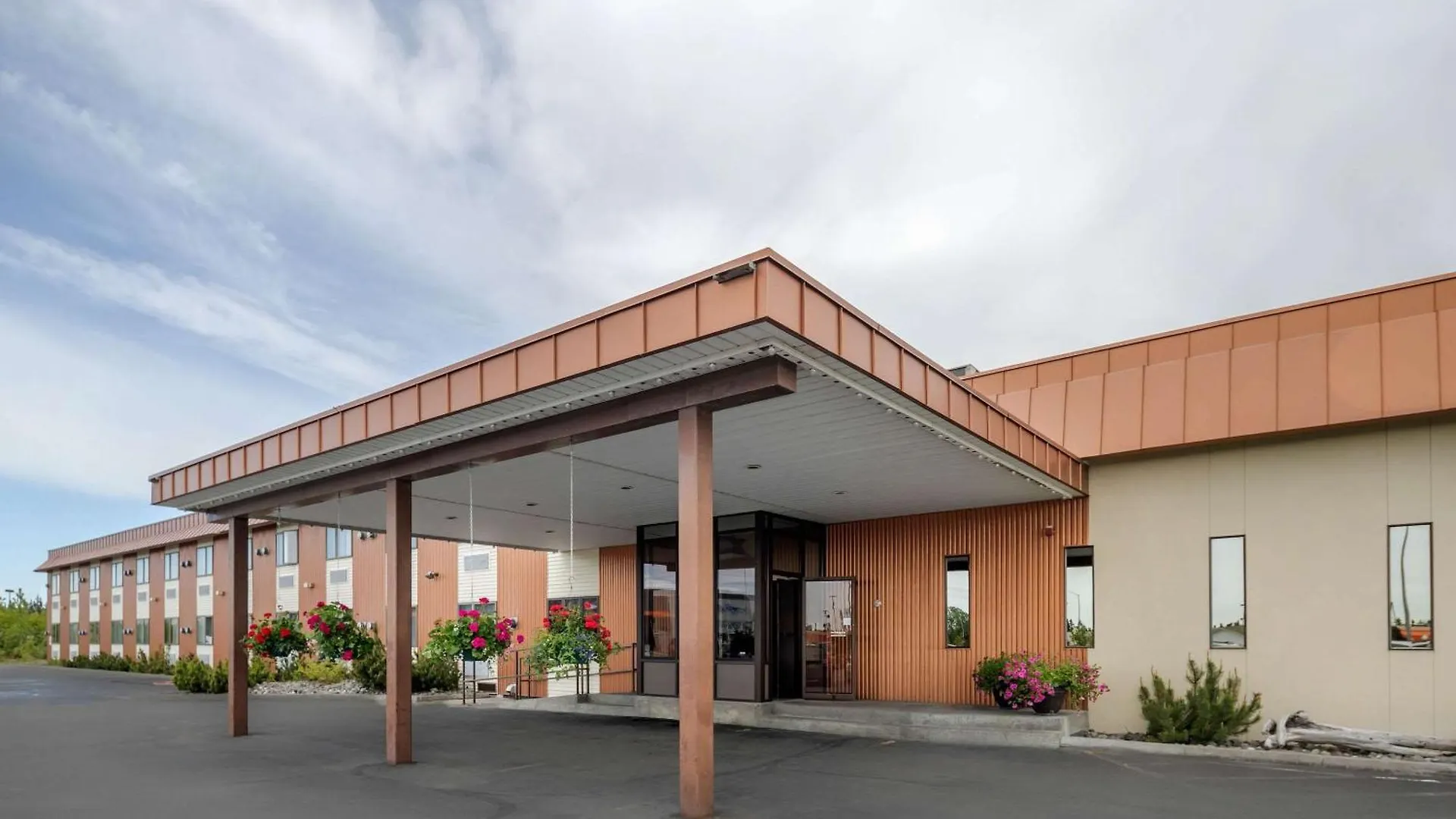
1. Quality Inn Kenai
Show on map


 Check-infrom 15:00 until 23:59Check-outuntil 11:00
Just a few rooms left at the best rate!
fromUS$ 162
-
2. Kenai Airport Hotel
Show on map


 Check-infrom 15:00 until 19:00Check-outuntil 11:00
Just a few rooms left at the best rate!
fromUS$ 79
-
3. Travelodge By Wyndham Juneau
Show on map


 Check-infrom 15:00 until 23:59Check-outuntil 12:00
Hurry – almost gone at this price!
fromUS$ 225
Best Premium Beach Stay in Alaska
For travelers seeking genuine beachfront positioning with panoramic coastal views and direct outdoor access, Homer's oceanfront property stands apart from every other option in this guide.
-
4. Ocean Shores Hotel
Show on map


 Check-infrom 15:00 until 23:59Check-outuntil 11:00
Rooms filling fast – secure the best rate!
fromUS$ 189
Smart Travel & Timing Advice for Alaska Beach Hotels
The window between mid-June and late August is Alaska's undisputed peak coastal season - daylight extends past 10 PM in Homer and Kenai, salmon runs are active, and wildlife sightings (Beluga whales, bears on beaches, eagles) are at their highest frequency. This is also when hotels fill fastest and prices peak; booking less than 4 weeks out in July is a gamble in all three coastal towns covered in this guide. Late May and early September offer the best value windows: weather is still workable, fishing charters and tour operators are running, and rates drop meaningfully while crowds thin out.
For Homer specifically, the Kachemak Bay Shorebird Festival in early May draws birding enthusiasts and fills the Ocean Shores-type properties quickly despite being outside peak season - factor this in if you're targeting a May visit. Juneau's cruise season (May through September) creates predictable price spikes around port days, so booking a night before or after a cruise at Travelodge Juneau is best done at least 8 weeks ahead. A minimum of 3 nights in any single Alaska coastal town is the practical threshold to justify the travel effort and actually access the beaches, glaciers, and wildlife corridors each area is known for.


